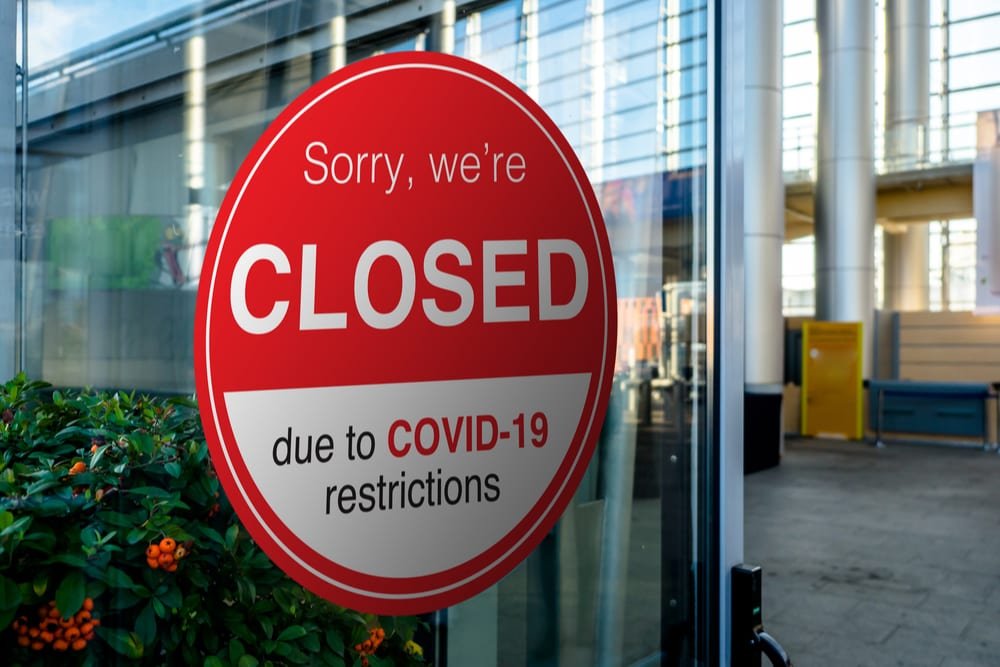
COVID-19’s impact: A fundamental change or a painful but short blip on Retail Fashion Industry of India?

COVID-19’s impact: A fundamental change or a painful but short blip on Retail Fashion Industry of India?

COVID-19’s impact: A fundamental change or a painful but short blip on Retail Fashion Industry of India?

COVID-19’s impact: A fundamental change or a painful but short blip on Retail Fashion Industry of India?

WHAT IS RETAIL SHOP CORE PHILOSPHY: By understanding consumer behaviour for providing their unmet demand at best price with most delightful experience. i.e. “for the customer, by the customer and of the customer”

This article is not another write up or any pep talk to survive ur business or manage it by giving any management jargons. This article will just help you to understand the situation better and how to respond to customer demands more actively which a retailer is supposed to do. It will talk shortly new opportunities which will arise in consumer companies which has to be understood by research & data analysis on consumer behaviour.

This article has three objectives.

a. To examine COVID-19’s impact on India’s consumer retail sector

b. Recommend a set of urgent actions to secure business continuity.

c. Exploring longer-term actions to position companies to succeed in the postvirus business environment.

Did you know the entire cosmetics industry was born in the depths of The Great Depression? It’s true. Seems that offering ladies a little inexpensive luxury made the people who sold lipstick, rouge and eye makeup extremely wealthy.

COVID-19’s Impact:

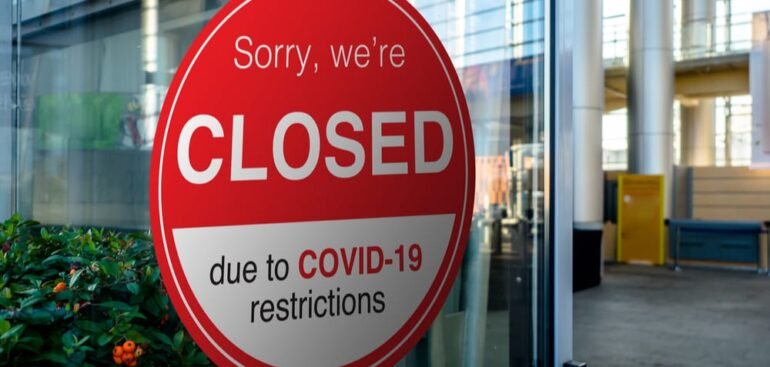
70 percent of the retailers in India expects the business recovery to happen in more than six months due to the ongoing COVID-19 crisis which has hit the retail sector of the country hard, said a survey by Retailers Association of India (RAI). The survey titled, ‘Impact of COVID-19 on Indian Retail,’ said that 20 percent retailers feels that business recovery will take more than 12 months.

Earlier, the CEO of RAI had said that if the country remains in the state of lockdown till June, 30 percent of the retail stores operating in India may have to close down, resulting in the loss of 18 lakh jobs.

Offline Sales will have massive decline in footfalls, even online sales will not increase for Fashion items as before, potential discount schemes may also not increase sales any further. Lot of challenges for retail franchisees or any business man which would be very difficult to overcome in few months. Apart from preparing itself for the challenges there is very little which any store owner can do.

While it’s too early to quantify COVID-19’s toll on the fashion sector, one thing that is certain is Consumer Habits, Consumer Behaviour, Spending power, Taste, Priorities, Delivery and Payment channels will undergo transformational change. Consumers will emerge from the pandemic in a new economic reality, changing commerce behaviours in profound ways.

Navigate the now: Immediate priorities

  1. Lead with compassion and protect your people

Communicate frequently and clearly with employees. Set expectations about the new working norms, safety precautions being taken, and clear  communication channels with customers;. When the future is uncertain, Values of the organization plays a big role to build trust among customers and employees.

  1. Amplify digital: Digitize your Physical Stores

Based on data from our clients in China, the Covid-19 crisis has clearly favoured omnichannel retailers when it comes to minimization of the negative impacts. Therefore, offline retailers must approach the lockdown period as an opportunity to build a strong online presence.

  • Enhance Digital Presence & Digital Marketing which communicates with society of your store and loyal customers.
  • Partnerships with E-Tailers.
  • Revisit the logic of your marketing investment: shift from brand building to customer activation, repurchase triggers.
  • 80 percent of these consumers are “smartphone shoppers” – they use their phones to help them shop while in a store, most often to research product reviews, specifications and compare prices. Lot of IT Systems like Manthan Systems based in Banglore is using AI and Anaytics on live purchasing in Stores.  
  • Scenario plan around spikes in digital channel usage to ensure that the systems will remain online if they experience a 600 percent increase in demand
  • Find ways to reduce the cost to serve of online fulfilment. This could include working with collaborators to jointly deliver product to customers to take advantage of the Home Deliveries.
  1. Maintain connections with Loyal Consumers

Just as consumers continue to seek connections with one another during this crisis, apparel and fashion companies must continue to engage consumers as well, even if those consumers are not spending. This must happen in a way that is authentic to the brand and resonates with its consumer base.

  1.   Manage for cash

Set up a “cash control tower,” with representation from both the accounts and sales teams, to examine spend and identify potential reductions in cash outflow.

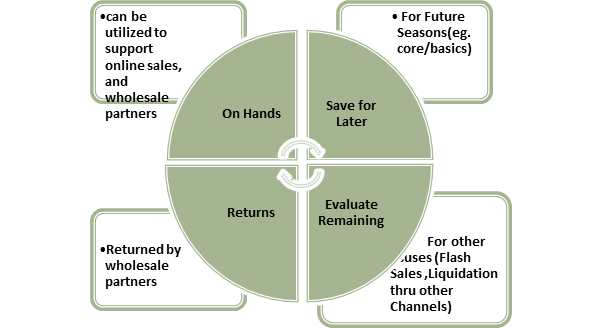
  1. Total Inventory Assessment Quickly review your full-year Inventory Positions, category by category, making decisions based on “fashionability” (basics or evergreen products versus on-trend products), depth of buy, and confidence in style. By Reassessing inventory and segmenting stock in each category, a retailer can maximize gross margin and free up working capital.
COVID-19’s impact: A fundamental change or a painful but short blip on Retail Fashion Industry of India?

POST ONE YEAR COVID-19 FASHION INDUSTRY


Once the dust settles, Customer Experience will take new definition in direction which is unknown to everyone. Post one year of Covid-19 business environment will have new and more challenges for the remaining players who have survived the tide.

Below are the five recommendations which requires management considerations.

  • Anticipate shifts in consumer sentiment and behavior:

While no one can predict what the next normal will be like, we expect a strong desire on the part of consumers to resume their precrisis habits once conditions allow. Comfort could become a top consideration in apparel purchases.

  • Financial Strength:

Companies will have to work on Net EBITDA/Debt ratio and make it Financial ratios uptight for grabbing better diversification in future.

  • Truly Become Digital and Omnichannel:

You will have to create USP of your digital brands because in coming times there will be too much clutter in it too. Develop proper E-commerce, business along with complete digitization of every business function like data, marketing, procurement, Human resources.

  • Data Analytics:

Make data analytics of customer behaviour & products a regular component of your business practices so that new opportunities can be identified and there will be no lost sales in downward trend market.

  • Personalized Recommendation:

Global Brand but Local Taste will be required now even for small stores or mutli brand retail outlet located in one city also. Become innovative with personalized engagement for customers. It shall be done with help of IT Systems or Human Resources at the end of the day.

Conclusion

While no one can predict what Post Covid-19 Consumer Behaviour will be like, however, companies that lead with empathy, be value driven and genuinely address customer needs can strengthen relationships and businesses.
Share

Facebook
Twitter
LinkedIn

Subscribe

What Will Work This Year? Any Idea?

What Will Work This Year? Any Idea?

What Will Work This Year? Any Idea?

What Will Work This Year? Any Idea?

Covid-19 is what’s known as a black swan event—something both unexpected and extreme relative to historical norms.

Market is flooded with lot of webinars for strategies and ideas. It feels like last 100 years management rules and gyaan is coming forefront in one form or the other. Everyone is estimating what the world be like after covid, how the market will react, demand forecasts.

However, critical point is that demand forecasts that underpin your business could be wrong for at least the next 3 to 12 months. The consulting industry which had many key management principles of Strategic, Tactic and Operational Models. Strategic Models like BCG matrix, Blue ocean strategy, Competitive analysis: Porter’s five forces, Scenario-planning, SWOT analysis. Operational Models like 6 Sigma, Sevens S, Discounted Cash Flow Model, Balanced Score Card, Philip Kotler 5ps of Marketing, Benchmarking, Performance Management, Value Chain Mapping, HR Transformation.

Their application of management principles has worked differently for different industries in different era’s. In 90’s the era was of Blue of Ocean  Strategy and Six Sigma, In next decade the era was of Branding and HR Transformation. In current Decade it is all about Artificial Intelligence and Data Analytics. So this time which management principle has to be priority for Entrepreneurs of SME’s. This kind of time comes once in century where all possible forecasts, strategy, thinking may fail as the world is not what it was.

The SME’s  have not looked beyond Product Innovation in their journey. We need to understand innovation from Different perspectives. Innovation strategies are neither promoted or applied in SME’s DNA properly. Consultants applied Management principle in a non-structured manner and stereotypically in every organization without understanding long term implications of same.

Certainly, Companies that will succeed are adaptable and innovative—at scale. Those characteristics are human-centred. And they are particularly valuable during recessions. According to The Economist, in a recent report on the short-term future of commerce, “ingenuity, not just financial muscle, will become a source of advantage, allowing cleverer firms to operate closer to full speed.”

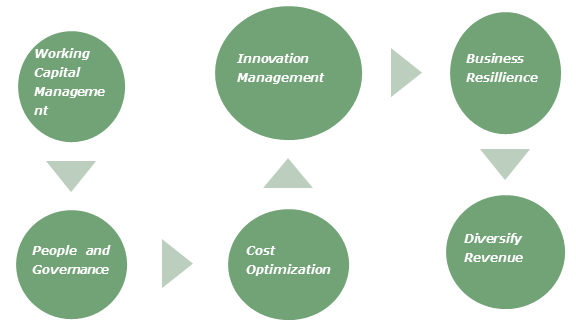
Innovation can be in different functions of business Distribution Innovation, Technology Innovation, Product Innovation, Customer Innovation, Employee Innovation, Finance Innovation. These innovations can be process oriented, incremental or disruptive. Every time the war like situation, Global Depression, US Depression 2008 has created new industries and markets altogether.

Challenging Times are also Opportunities to Improve Your Innovation Model Periods of disruption highlight existing challenges for companies. Management should safeguard the business while anticipating business trends, quickly addressing volatility and proactively establishing long term financial and operational resilience across the business.

Conclusion:

The above principles are also some of the tools which will help companies to understand macro points and coordinate the resources easily. But all the organization within the same industry will have to implement customized solutions. Management Consultants also cannot apply management principles to the industries without understanding its DNA, Cutlure and Objectives.

Management of Technology, Finance & Business is not required by true consultant or companies but Innovation on all of that aspects are required for better business resilience and survival. Adoptability to Invention by any organization will be the most critical factor in surviving them.

Share

Facebook
Twitter
LinkedIn

Subscribe

Are Business Opportunities for Real ?

Are Business Opportunities for Real ?

Are Business Opportunities for Real ?

Are Business Opportunities for Real ?

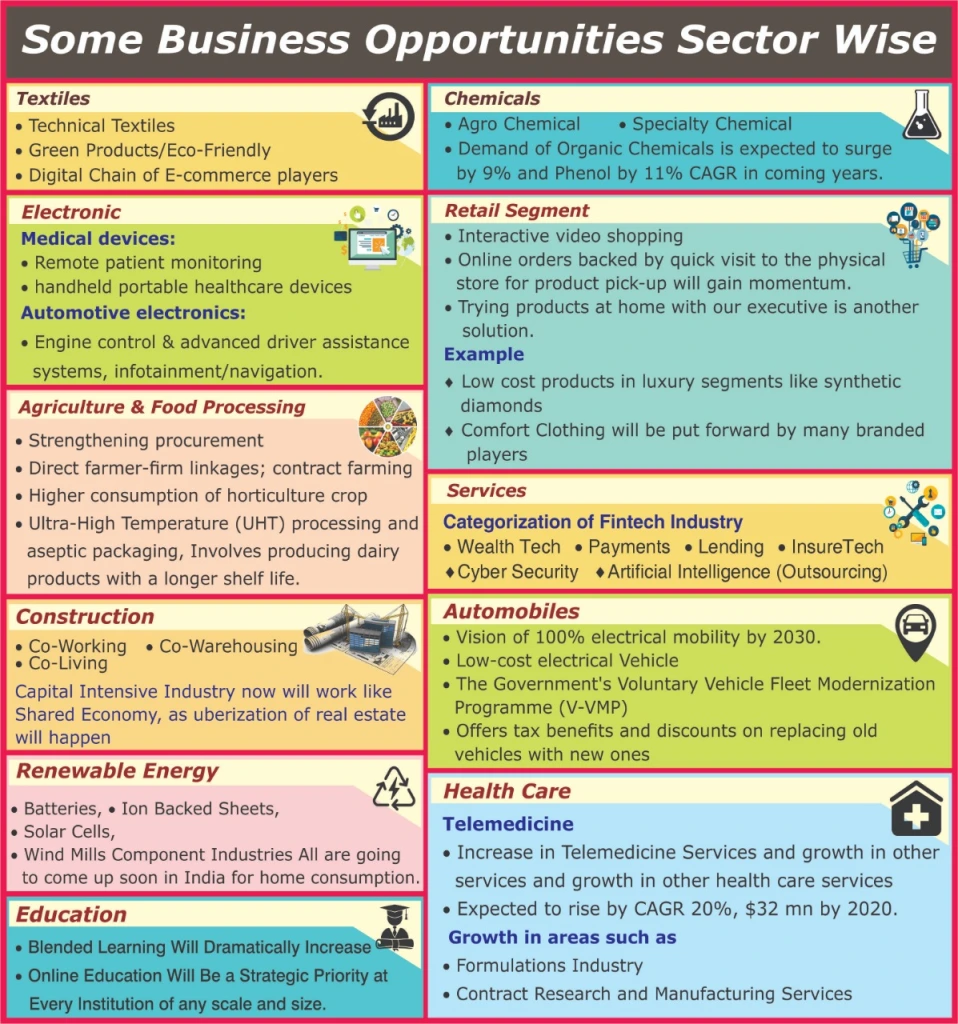
A key question that all existing entrepreneurs and traditional business face is finding the next business opportunity that is right for them. Should the Business Conglomerate or SME focus on introducing a new product or service based on an unmet need? Should the venture select an existing product or service from one market and offer it in another where it may not be available? Or should the firm bank on a tried and tested formula that has worked elsewhere, such as a franchise operation? Let‟s first understand what do we mean by “Business Opportunity” “Business opportunity what we are referring to here is “Long term opportunity which can be harnessed for Sustainable competitive business with long term Profits and capital appreciation satisfying the Needs of customers in the process” Opportunities can be Short Term, Mid Term or Long Term. However when the Business word is added before opportunity, we shall always have a very long term approach for it with wider spectrum of Vision. No generation has been able to build sustainable business by working on Short term business opportunities. Before going further to discuss about what are the Business Opportunities and ways of finding it we shall first idealize what are the pre-requisite of finding opportunities.

According to my opinion there are three important requirements of finding serious business opportunities.

 
  1. Existing SWOT: Find out Individual Competencies of Founder and Business Competencies which can match with future business opportunity.
  2. Invest in Feasibility Study: People don‟t invest in market research, consultant fees. Like when they used to buy land before 2014 they did not take proper reports with lawyers. Businessman need to take time and invest proper resources in the same.
  3. Industry Outlook: Have proper vision for the Industry and Sector u r entering into, it‟s like longer term commitment of your very much resources so u need to have proper vision for the same. Don‟t enter into any sector by looking at short term opportunities available.

4 Ways to find business opportunity

  1. Identify Sector & Industry: There are sunrise sector and sunset sector each has their own strength and weakness. Like telecom and power industry are already stressed in India but sometimes new demand is generated in disturbed sector Like Electric Vehicles in Automobile Sector. Sunrise sector has lot of competition as its weakness.
  2. Customer Research: Identify the target audience; Recognize the peculiarities of local customers‟ buying habits; Explore competitors‟ marketing research opportunities and strategies; Shape the product or service‟s identity; Understand what clients like most/least about the existing product; Define the true unique selling proposition;
  3. Network & Colloborate: Specific Industry Association is very much helpful for receiving proper technical & financial reports: Go out of your way to attend events and network. Become member of such associations to receive updates and knowledge of the market.
  4. Explore Market through Institutional Connects; After availing the Market Information, Create Customer Segments according to product range, geography etc,. Market size This is one of the most important criteria in all stages of product development, especially when you need to identify market opportunities. There are 5 all-round compass to Evaluate business opportunity which is altogether long topic I‟m just sharing some insights on the same: a. Industry Analysis b. Competition Analysis c. Risk Analysis d. Competitive Advantage e. Financial Risk Analysis e. Technological Analysis. We will go in depth some other time.

Conclusion:


The Fourth industrial revolution is on us. We no longer have to sort of ask as to when it will come, it’s here on us.” Our Country does have the talent and depth of technology to be able to do quite a bit. The wisdom of Indians should ensure that proper share comes to India. We have the people, the demographics, ability to skill our people very, very quickly. We have democracy; we have lot of things going for us But we as Nation have to make it count for us, instead of squabbling and wasting time; we really need to get our act together to be able to welcome whichever industry that wants to diversify its supply chains irrespective of Government Support as Entrepreneurs.

Share

Facebook
Twitter
LinkedIn

Subscribe